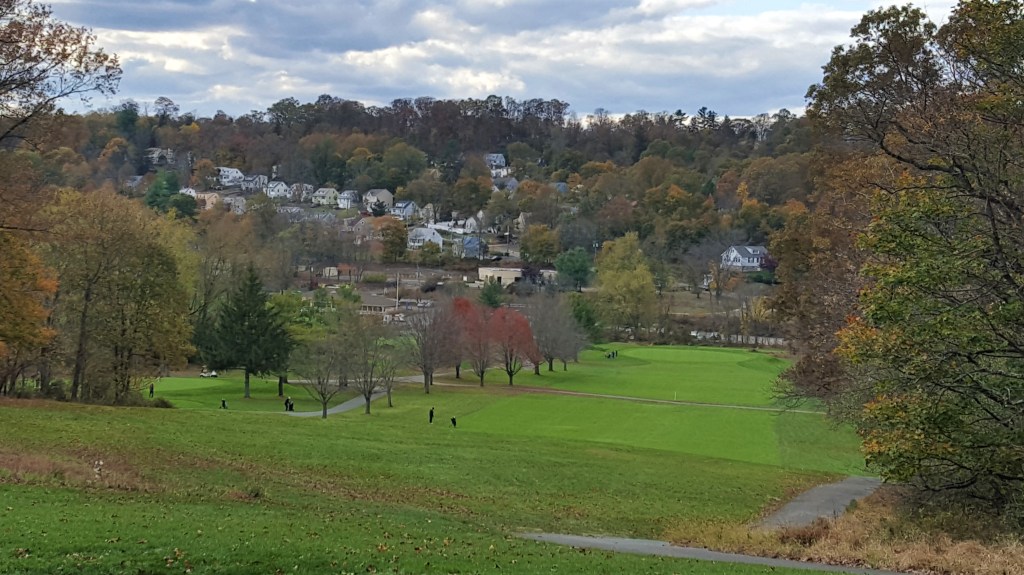
Number 96 (Rock Spring Golf Club)

Date played: 11/10/2019

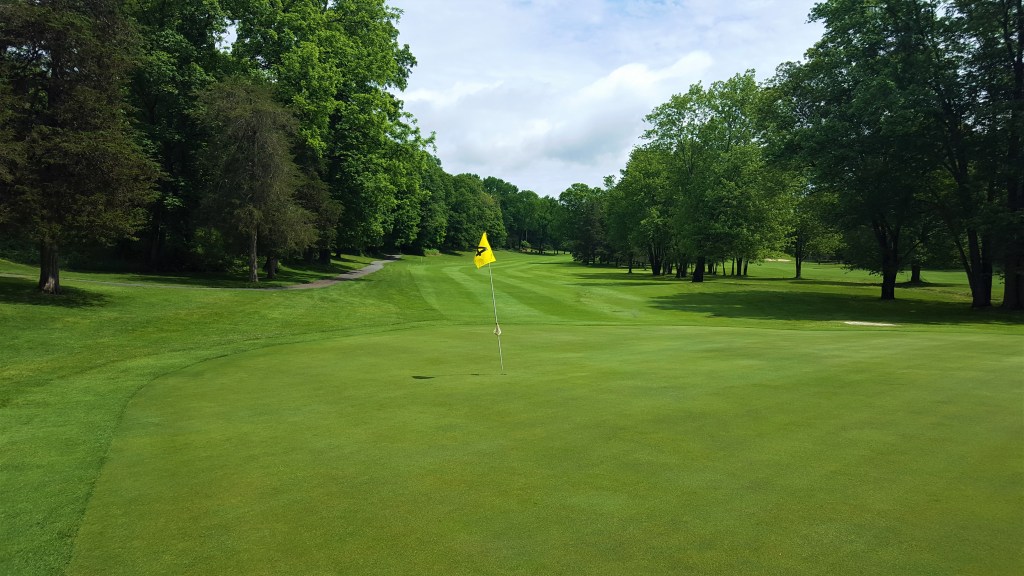
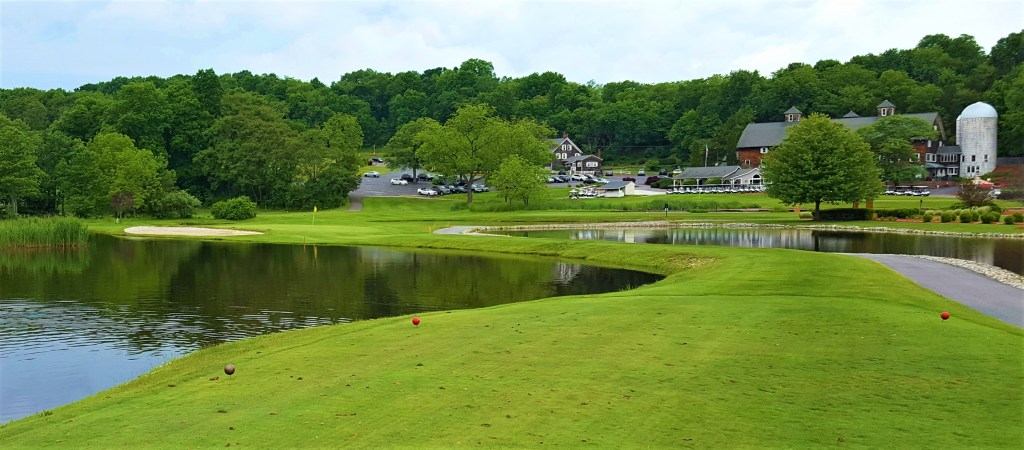
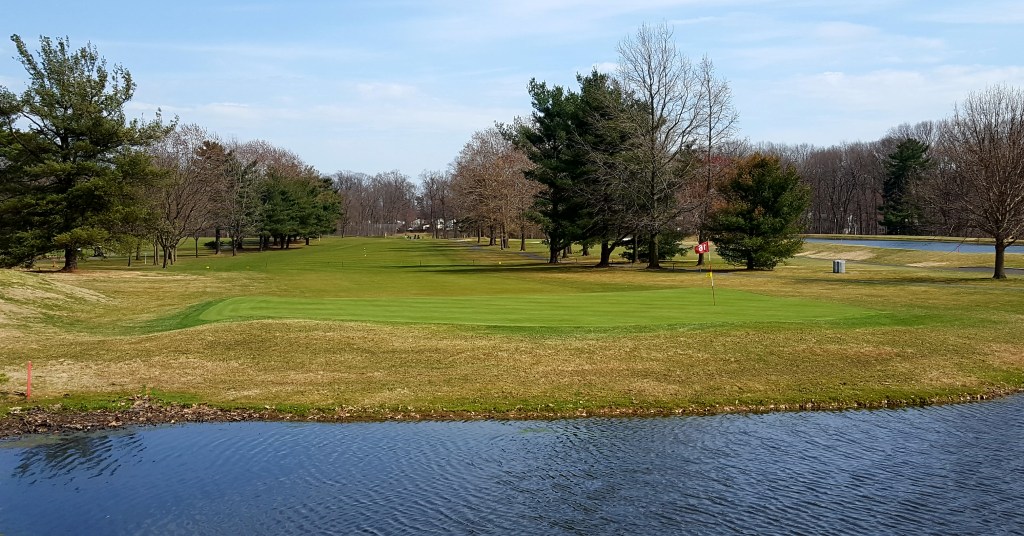
Where Cruz Golf Country Club has its uniqueness in the obscurity of its designer, Rock Spring Golf Club is the complete opposite. Designed by Seth Raynor and Charles Banks in 1927, it was born in in the heralded “golden age” of golf course architecture by very prominent names. Like most Raynor designs in America, Rock Spring was private for most of its existence. A mere 92 years after opening, it opened to the public in May 2019.

Hearing about Rock Spring was my first experience with the grapevine of the golfing world. Other than through social media, I don’t consider myself quite connected to the golf community yet. I don’t have any contacts who work at courses. I’m only just meeting teaching professionals. Given that I’m almost always at new courses, I only play with a couple people “regularly”.

But it seemed like one after another, I started to hear and see the same refrain: “You’ve gotta play Rock Spring”.
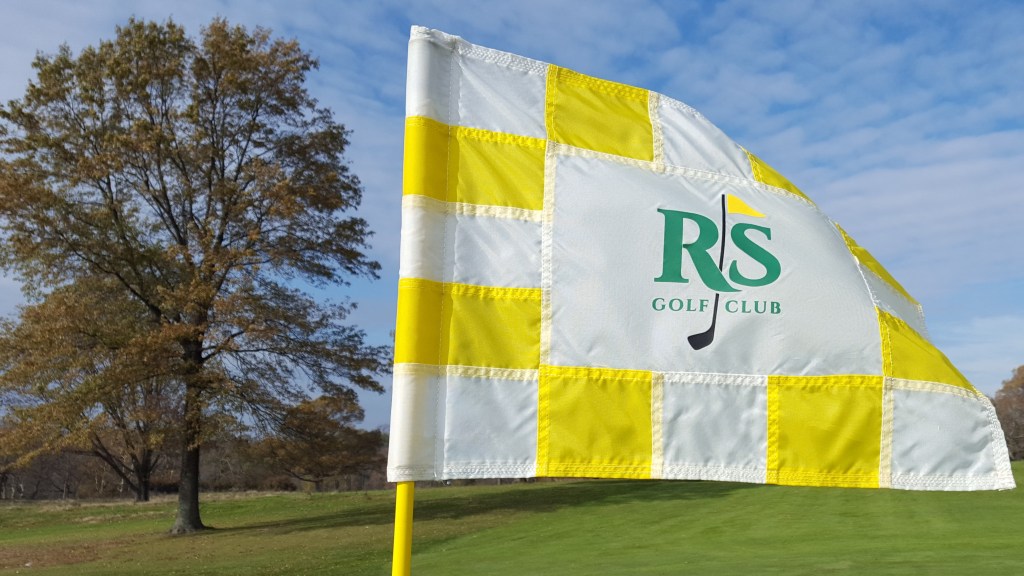
Quality flag game, but is it a “must play”?

A big part of this has to be attributed to the suddenly vanished exclusivity. If Pine Valley opened to the public, you can bet you’d hear about it immediately. That story would likely make any and all golf news outlets. So, the question for me was really, do you have to play Rock Spring?

I have to say, it took some time through the round, but it grew on me. At $89 on a weekend in November for a now-public golf course, it had to live up to that price. At that rate, you’re approaching the finest publics in the state (i.e. Neshanic Valley, the Crystal Springs resort courses, etc.). But I started to appreciate the design elements after a while. I began to see what the course would look like in prime conditions, without the leaves all over the place, and it is a quality course.
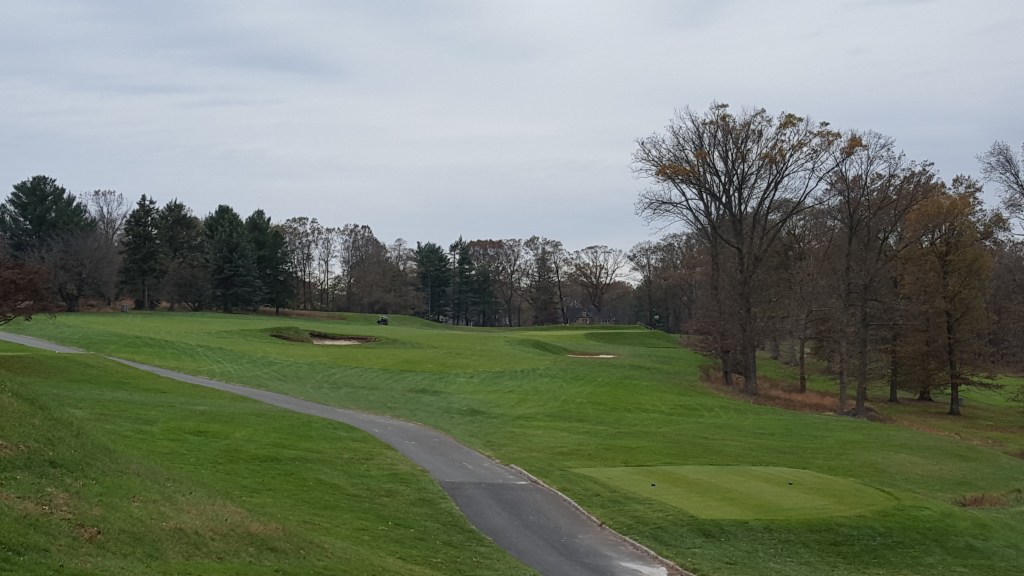
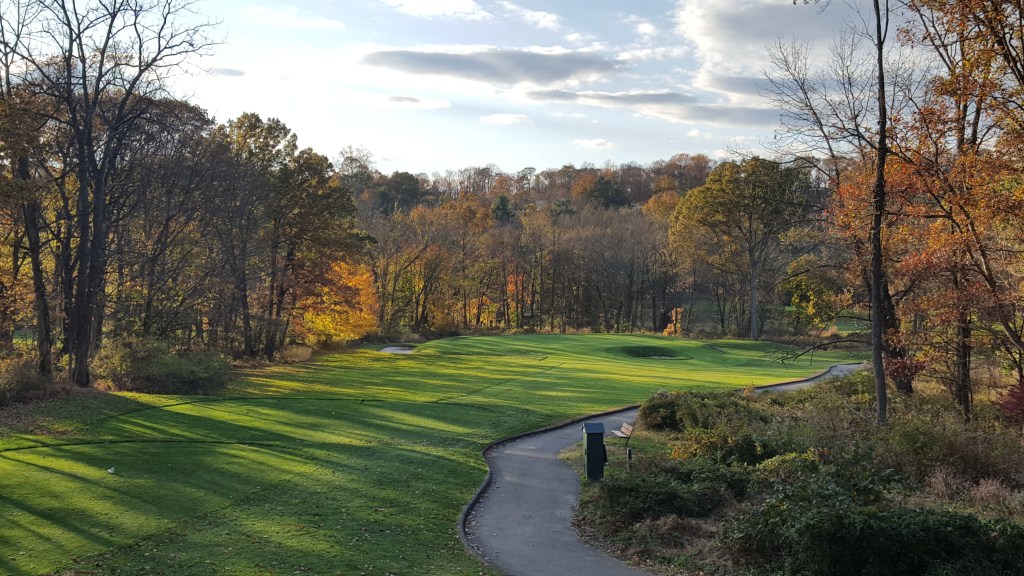
Hole 12

The greens had good speed, even for the middle of fall in cold conditions, and they are relatively large. There are plenty of changes in elevation from tee to green, and the holes that play along the side of a hill – like 12 and 15 – are actually some of the most striking.
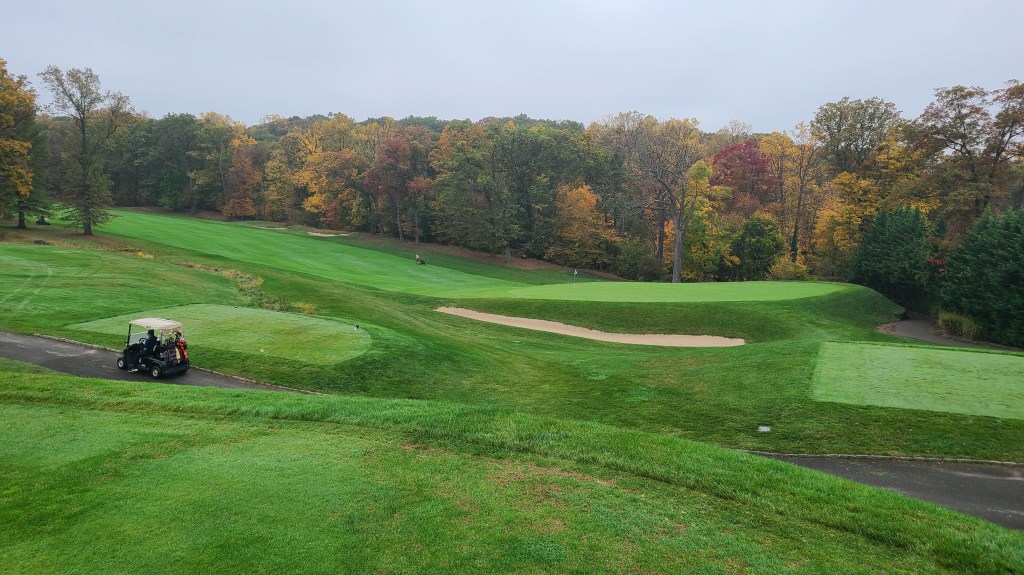
15 green

Managed by Kemper Sports – the same company who oversees the beautiful Skyway Golf Course in Jersey City – Rock Spring is definitely in good hands. As for whether “you’ve gotta play it”, I’d say ‘yes’, but you’ll have to check it out for yourself!

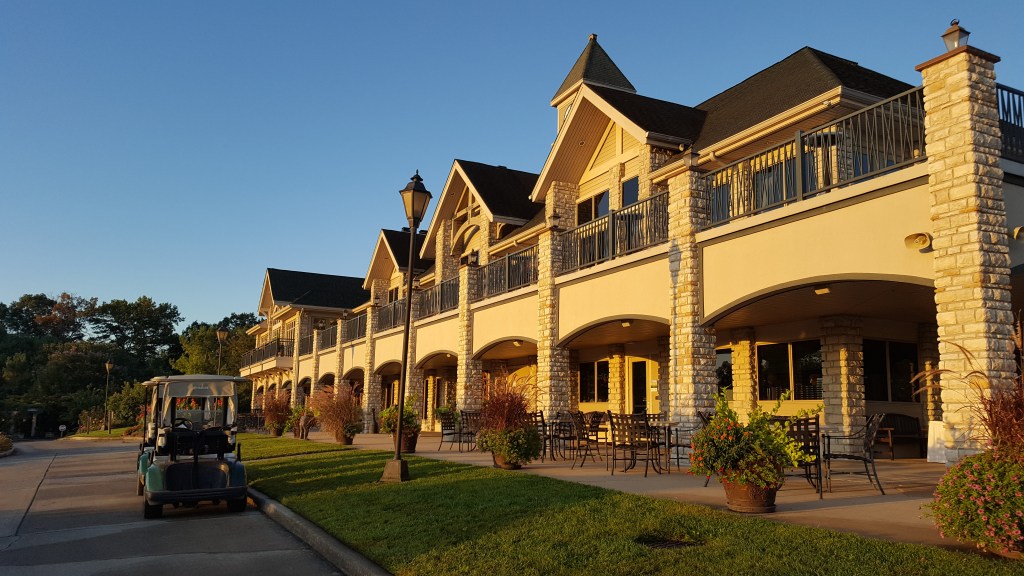
P.S. If you get there early, and the place looks closed, it’s probably because you parked in the overflow lot. There is actually parking around the clubhouse, which is also where the bag drop is.

How I played…

I actually played pretty well, but putt poorly.

Highlights: Meeting up with new golfers in New Jersey! Shout out to John Boylan for joining me on a cold November morning. Also making the highlight reel are two approaches that I knocked to a foot-and-a-half. (Yes, I made the putts.)

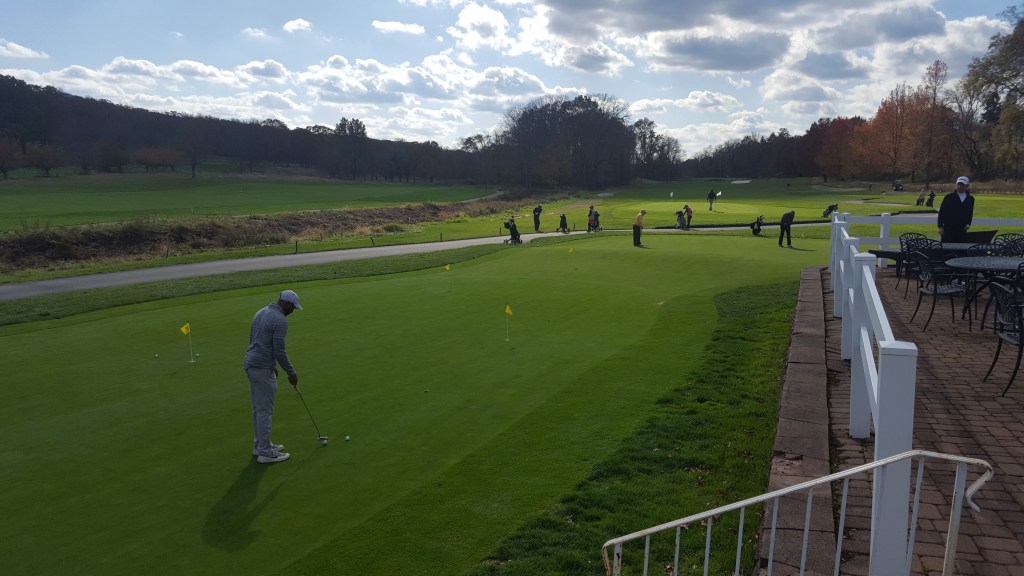
Lowlights: Definitely putting. I felt good on the practice green, but it didn’t carry onto the course.
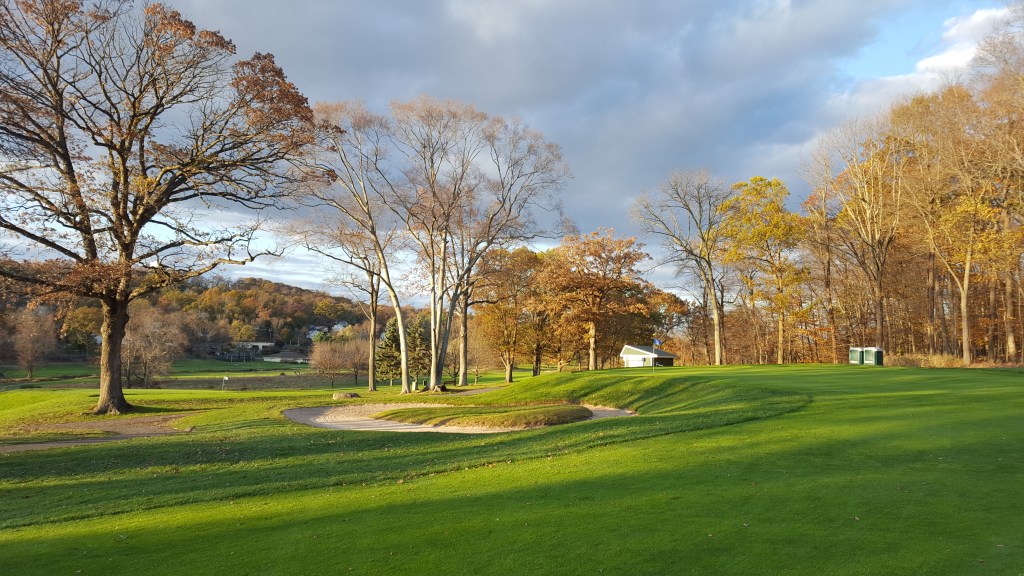
Number 96 (Rock Spring Golf Club)

Number 95 (Francis A. Byrne)

15 green with the sucker pin position

Date played: 11/3/2019

The 95th public course on my quest is 95 years old at the time of writing, and one that is rich with (somewhat verifiable) history. Francis A. Byrne Golf Course was built in 1926, and legendary architect Charles Banks is credited as being its designer. Some sources say the design was started by Raynor, while others leave this mention out entirely. Other information you can find about the course states that the original purpose of the Byrne course was an expansion of the neighboring, still-private Essex County Country Club, the oldest club (and possibly course) in New Jersey.

Whatever the history and origins of Francis A. Byrne truly are, it remains a great public option in northern NJ. Located a few miles from the Parkway and just off Route 280, the Byrne course is set in the rolling hills of Essex County just north of the South Mountain Reservation. The course is kept in great playing condition and has actually undergone several improvements – e.g. restoring a Biarritz green at the 2nd – since I’ve played it.

A look from the elevated tee box at 9 with the homes in the distance depicts how much the hills of Essex County come into play at Byrne

I made my way around Francis Byrne with my good friend, Ed, who likely is in the lead for “most rounds played together,” not just on my journey, but in my golf career overall. Ed and I started playing golf together over twenty years ago, and our golf games have progressed similarly. We both broke 100, 90, and 80 at around roughly the same times, and while we have different strengths – Ed is a longer hitter, I may be a better short-game player, Ed is the better putter – our handicaps remain very close to this day. It’s been great to have a close friend to not only share the game with, but also to encourage progress.

Ed actually warming up on the putting green instead of just taking pictures of it, which may explain why he’s the better putter

There are plenty of golfers who enjoy time on the course with friends, without really worrying about the quality of their collective play. I respect that, and I think that can be a lot of fun. Ed and I both approach the game with an ambition to become better players, and we push each other both directly and through each other’s accomplishments.

Another downhill tee shot to the par-3 14th

Our fall afternoon round at this historic New Jersey public was relatively average for both of us. My poor play off the tee was offset by some very good scrambling and putting. I would putt only 24 times for the round, by far my lowest total. We walked off the 18th green at dusk, content with our rounds, and satisfied in having tackled another NJ course together.

Though a rare feat, I had the additional satisfaction of having outdriven Ed on that last hole.

Number 95 (Francis A. Byrne)

Number 94 (Scotland Run)

Date played: 9/19/2019

My third visit to Gloucester County for golf was courtesy of an invitation to the 2019 Grint Tour Championship by Chuck Wanamaker. The GTC is an outing of users of The Grint – a score-and-stats-tracking and GPS app – held at a South Jersey public course. In 2019, the venue was Scotland Run.

Situated just a couple miles east of Rowan University, Scotland Run is a gorgeous layout set on sandy terrain. While sights from the clubhouse will evoke a links-style feel, the course has a great mix of holes, especially around the perimeter.

Plenty of contoured greens at Scotland Run, like the 9th here.

As we waited to tee off for our early morning round, the sun drenched the clubhouse in gold. Views of the ninth green and the first fairway were equally stunning, the quality of their design and condition highlighted by the sun’s rays. Though the front nine has a number of bright spots, I found the back nine at Scotland Run to be the better half.

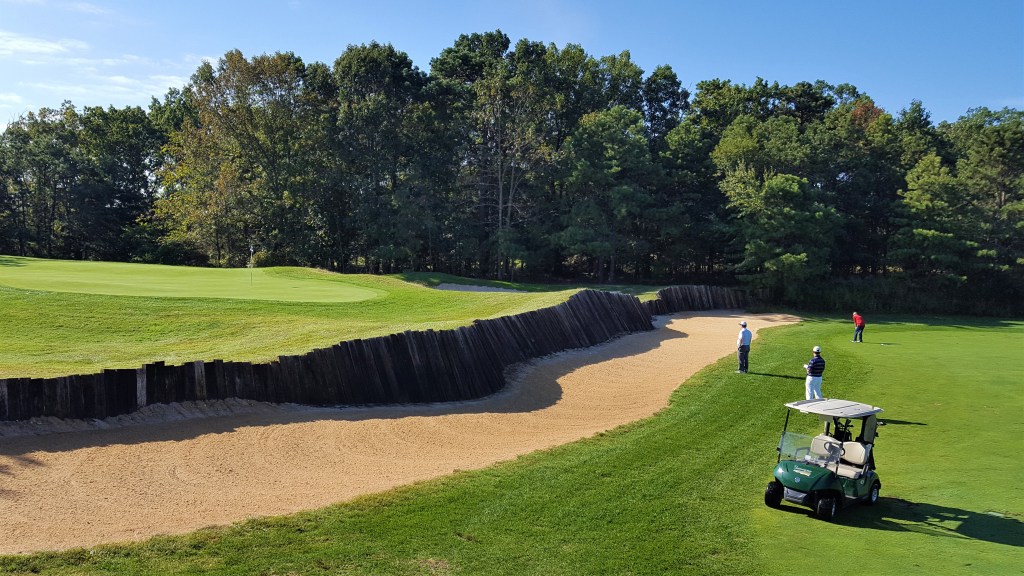
The 10th is a wide, straightaway par 5 that can be reached in two. However, those that opt to do so should make sure they can carry their approach to the raised green complex. It’s guarded by wood pilings that will ricochet short shots in unpredictable directions, as well as a “warning track” bunker, both of which span the width of the fairway.

If you’re gonna lay up on 10, make sure you’re laying up. Otherwise, you deal with the warning track.

The 11th is a short par 4 that has a fairway that’s split by a waste area just as you reach the green, which will force a club choice decision on the tee. The 12th and 13th both bring water into play as they round a large pond, with 13 being a medium-length par 3 that is almost all carry. But the real memories of Scotland Run will be made in the finishing stretch, which is one of the best in public golf in New Jersey.

The 16th can easily be called Scotland Run’s signature hole. You’re presented with a tee shot that looks almost perpendicular to the fairway landing area, positioned at the other side of a wide gully to cross. As if your focus isn’t shaken enough by the visuals of the hole, at the bottom of the waste area, you’ll also see a plane. That’s right, an actual plane!

“Look, boss! It’s the 16th at Scotland Run!”

Moving on to the 17th, you’re confronted with a long par 4, playing at 421 yds from the white tees (two up from the back). The finishing hole is an uphill par 5 with water right that threatens your tee shot, and a snaking fairway from there to the green.

I had as many strokes in the last three holes as I did in the 15 that preceded them and wouldn’t fare well in the outing because of the poor finish. Nevertheless, Scotland Run was etched in my memory as a “must play” public in New Jersey and I highly recommend it.

Number 94 (Scotland Run)

Number 93 (Springfield Golf Center)

Date played: 9/14/2019

The 93rd stop on my adventure was the self-proclaimed “Most complete family golf center” in South Jersey. Located in Mount Holly, Springfield Golf Center features a driving range, a miniature golf course, a “chip-and-putt” course (not to be confused with pitch-and-putt, I guess), and a par-68 course. I have to say, if you’re looking to learn the game, it’s difficult to argue with the “complete golf center” billing.  

Strictly speaking, the par-68 is what is actually Number 93 on the quest. Since the scorecard for the chip-and-putt does not have yardages for each hole, it’s not counted on the journey. It’s one of the few arbitrary rules I have about what will count and what won’t, but I have to draw the line somewhere.

*whistles* Nice greens…

The course only plays about 5,000 yards from the back tees. Most holes are straightaway, with ample room to miss. A serious exception is the par-5 14th which plays to a narrow fairway with unplayable woods on the left and a lateral hazard to the right. The back tees on the par-4 16th are also awkwardly narrow, pinched between the net at the far end of the driving range and a couple trees with some overgrowth on them.

There’s tight, and then there’s the-tee-shot-on-16-at-Springfield-Golf-Center tight

To be somewhat critical, there are some areas of the course where it seems difficult to keep decent grass cover. I believe the aforementioned 14th is the lowest lying area of the course and it looked like it might have drainage issues. The fairway landing area was very sparse when I played, something I felt was out of place for a September round.

Judging the place as a family-friendly learning course, I think it’s a great example of using the maintenance budget appropriately, focusing on keeping well-manicured greens, particularly for the price point. It was $44 (including cart fees) on a weekend, which is probably right where it should be.

Springfield became the seventh Burlington County course I’ve visited, leaving only Indian Spring Country Club to complete the area.

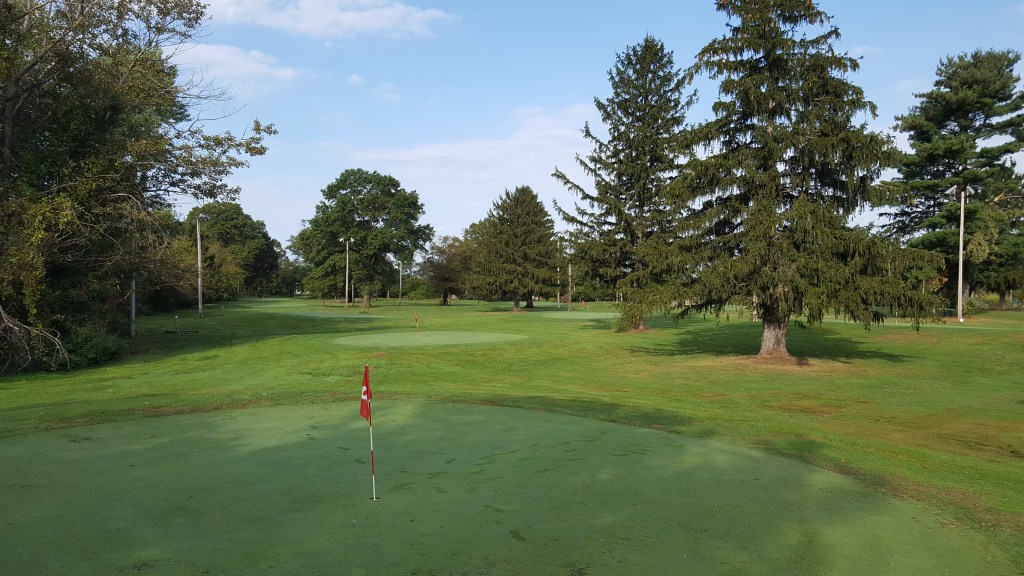
First we chip… then we putt

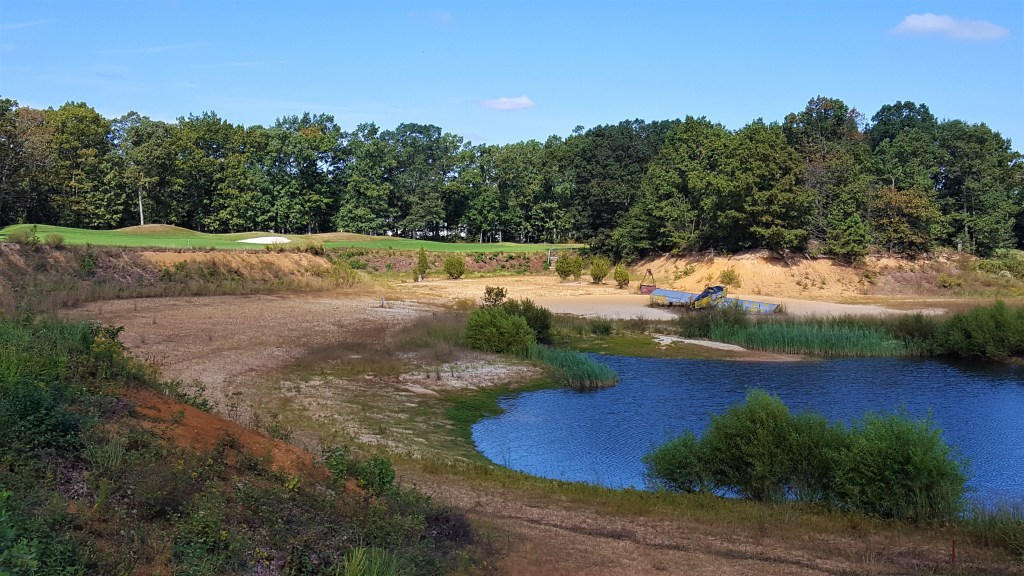
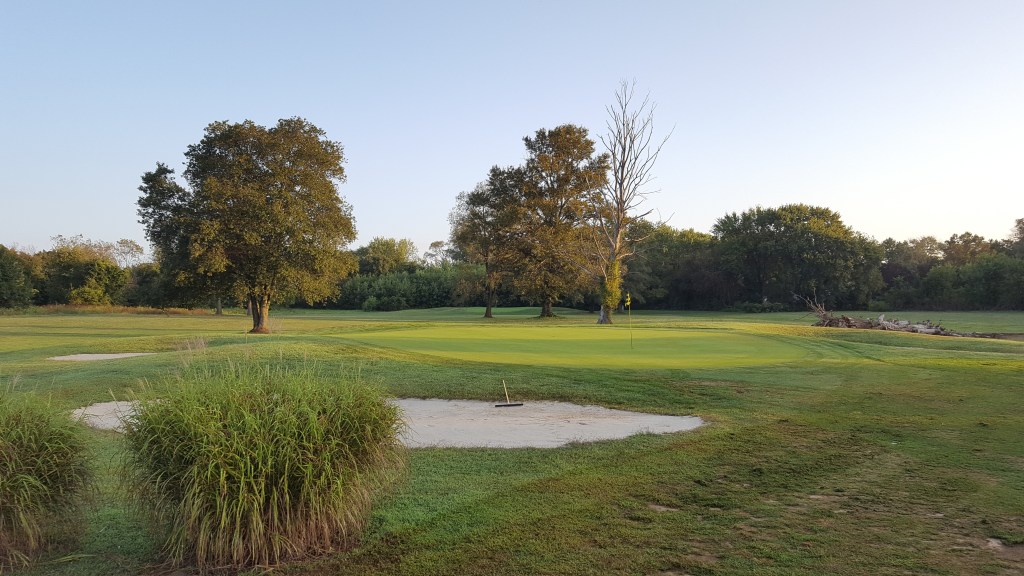
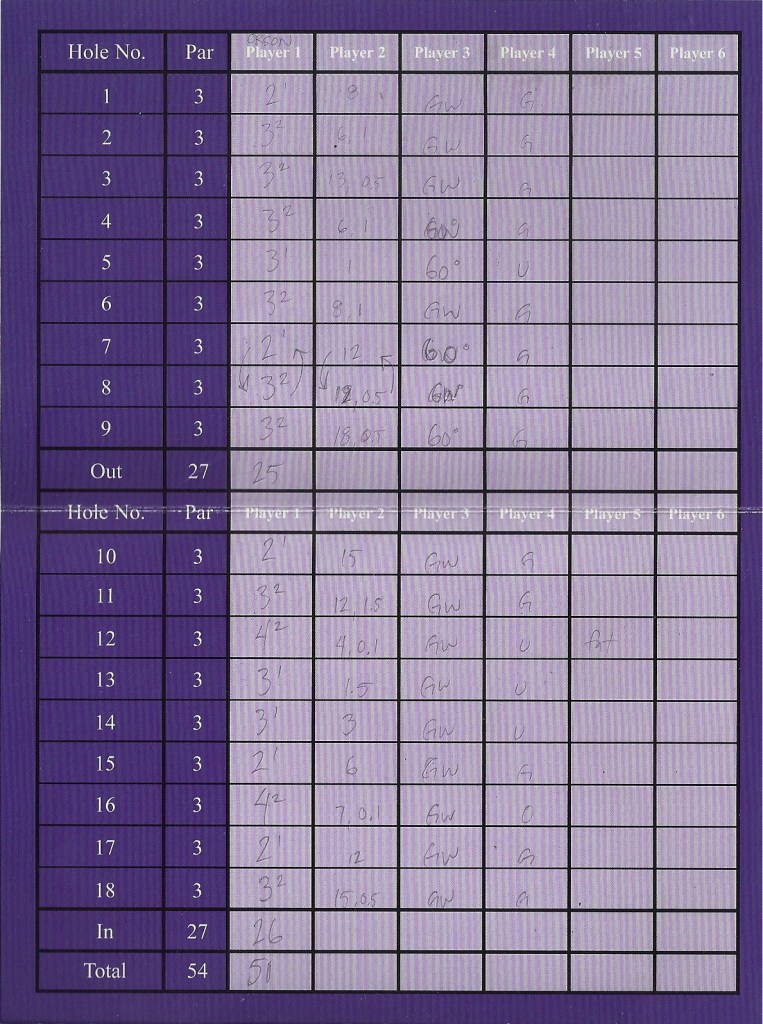
BONUS: After my round on the executive course, I decided to play the chip-and-putt while I was there. All holes are par-3s less than 50 yards with some probably as close as 25 yards. You can get around with a single wedge of your choosing, but I happened to play both my gap wedge and my 60-degree for practice. The putter was hot, and I made my way around with five birdies and two bogeys, en route to a three-under 51.

If only all of golf was that easy.

What could’ve been a sub-50 round
Number 93 (Springfield Golf Center)

Number 92 (Harbor Pines Golf Club)

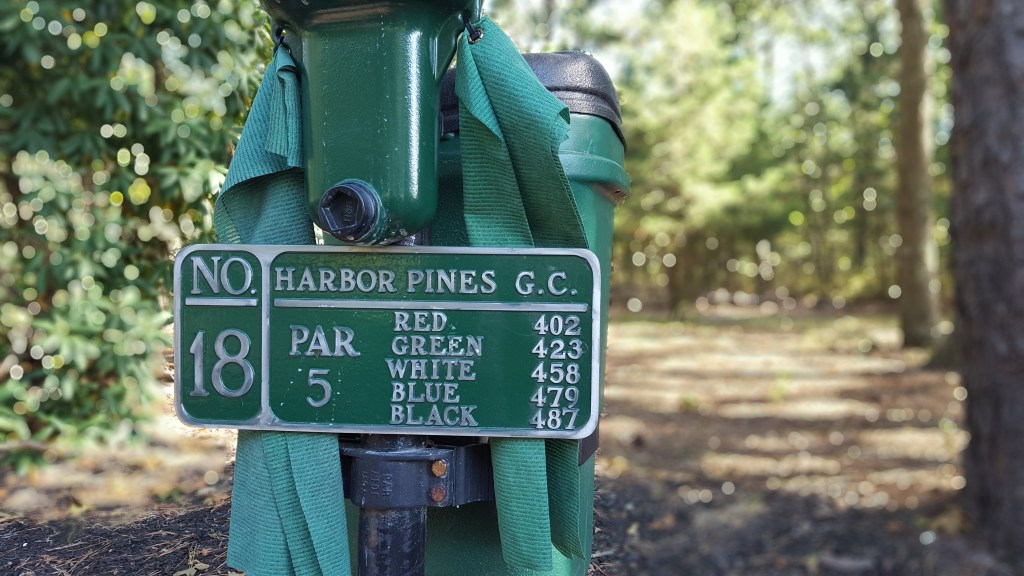
Great old school ball washers at Harbor Pines

Date played: 9/8/2019

My first trip to play a public golf course in Atlantic County required begrudgingly breaking my precious sleep schedule. An early morning tee time at Harbor Pines meant that I’d have to be on the road at 5:00 am.  I don’t mind waking up early – especially to play golf – but waking up before 5:00 is pushing the limit. Nevertheless, the journey called and I was on my way.

The course winds through a dense forest, with almost every hole lined on both sides by trees. With the possible exception of the 1st and the 18th, wayward tee shots won’t have a chance of finding the fairway of a neighboring hole. When a course is mostly a winding tunnel of hole after hole, I find it difficult to appreciate unless there is great variety, and a majority of the holes at Harbor Pines are straightaway.

That’s not to say that there aren’t areas of the course that are noteworthy. The 4th is a long par 4 with a 90-degree elbow. The greens across the course are in great shape, and many have clever undulations that make for great hole locations, with the complex on the 9th being a great example.

Shadows across 9 green

You start the back nine with a tough par 5 that requires a tee shot that needs to avoid water on the left. Water is a factor on multiple holes, but perhaps nowhere else more so than the 12th. It’s a daunting short par 4 where a tee shot needs to carry and navigate water for at least half the carry distance, only to find that water must be avoided to the right of the green on the approach.

At over $80 in prime season for a round with a cart, Harbor Pines measures itself among the nicer public courses in the state. Through that lens, it comes off as somewhat average. Having said that, it’s certainly worth a play and would be a good option in a line-up for a multiple-day trip of golf in Atlantic County.

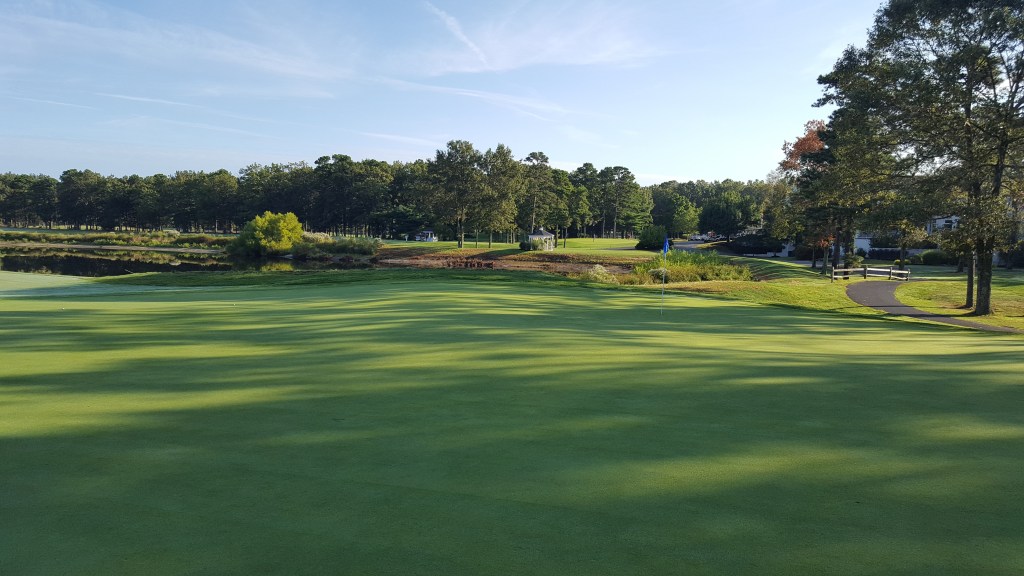
The par-5 18th
Number 92 (Harbor Pines Golf Club)

Number 91 (Orchard Hills Golf Course)

Date played: 8/24/2019

I had taken a Friday off work and traveled up to northern New Jersey to play a small private/community course with an old family friend. Afterwards, I also played the short par-3 course at Anchor Golf Center and decided to stay up in the area to try to play another new public course on Saturday. I was able to crash at my brother’s place and find a tee time at Orchard Hills.

Like most courses in New Jersey – but especially in Bergen County – Orchard Hills is tightly surrounded by suburbia. Situated adjacent to the Bergen Community College property and across the street from Paramus Catholic High School, it’s relatively easy to miss if you’re not looking for it. The course is nine holes and doesn’t even reach 2,800 yards from the tips, but as its name suggests, it does roll up and through the hills of the property.

Though it’s an easy course on paper, I somehow managed to play some pretty terrible golf. Looking back at pictures now, there is all the room in the world to land your tee shots on the six par-4s and the lone par-5. The course also features two par-3s that are a bit long on the scorecard, but certainly fair in reality.

Hole 4, the first of the course’s two long par 3s

While I carded a poor round, it was a good feeling to cross off another Bergen County course from the list. Orchard Hills was pretty well maintained and pace of play was decent for a busy golf course on a weekend. The course became my fourth public played in the county.

Number 91 (Orchard Hills Golf Course)

Number 90 (Anchor Golf Center – Par 3)

Date played: 8/23/2019

If I had to guess, I’d say the 90th public course I played in NJ is one whose legitimacy in my list is questionable to many. It’s something between a pitch-n-putt course and a par-3 course. There are mats for tee boxes, it “tips out” at under 800 yards, and the greens are a mix of clover and other weed growth. You could probably install cups and flagsticks in your backyard, set the lawnmower to the lowest mow height possible, and you’d get similar results.

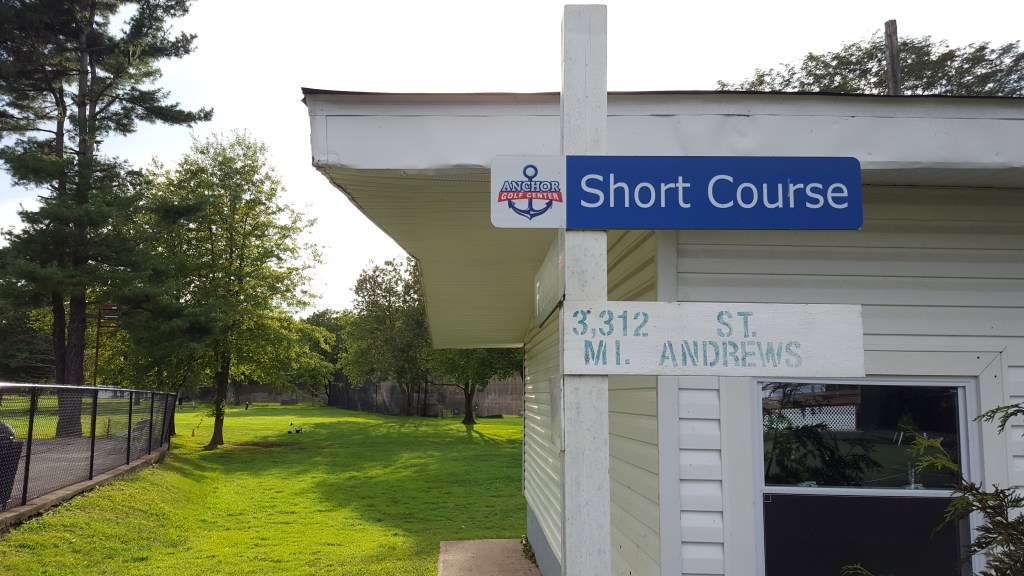
Having said that, I count the Par 3 course at Anchor Golf Center on Route 10 in Whippany for three simple reasons.

  1. It’s a place to play at least nine holes of golf
  2. It has a scorecard with yardages for each hole
  3. It’s completely open to the public as a daily fee course

Apart from the greens, there are a couple other items of note about the course. Following an extended period of rain, the course was soggy, especially at the back of the driving range on holes 5 and 6. There were also a couple tee shots (on holes 4 and 7) that were at least partially obstructed by trees, which may trouble the beginner but add an element of challenge for an experienced player.
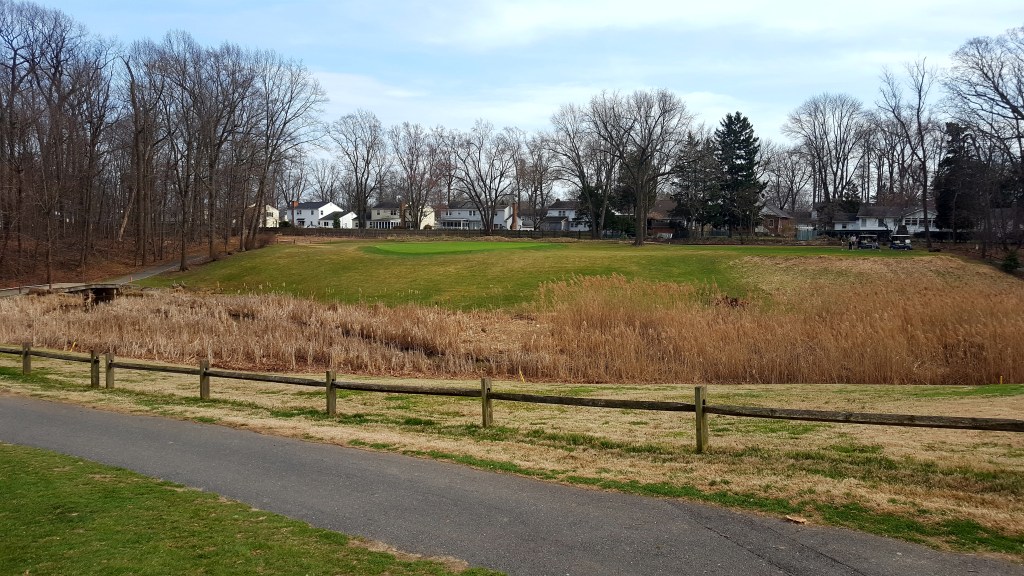
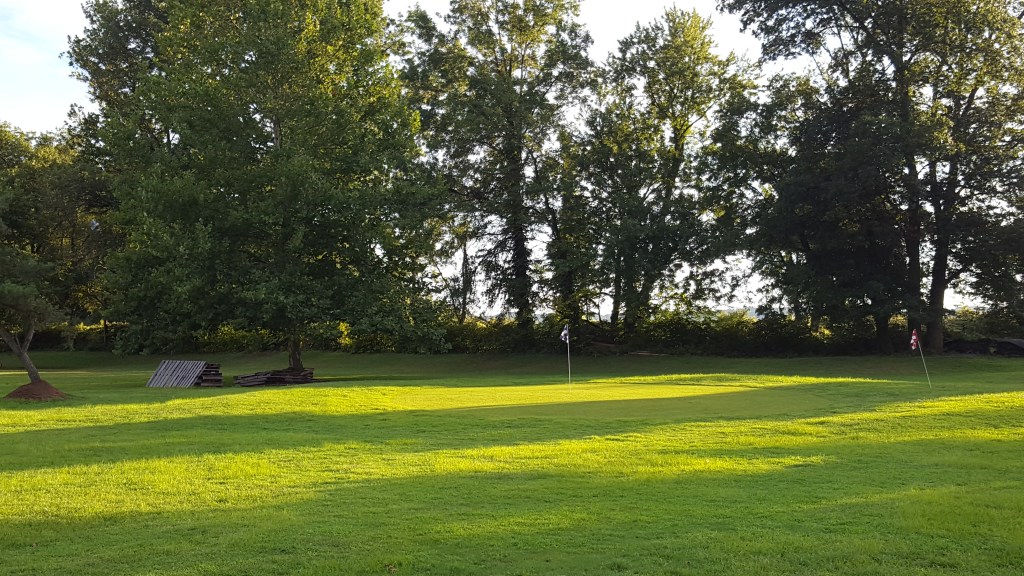
Pretty sure this is a Raynor template. The pallets under the tree give it away.

At the time of writing – November 2020 in the midst of the COVID-19 pandemic – the Anchor Golf Center website says that the Par 3 course is “closed until further notice”. It’s unclear if that means closed for the winter season or closed for good, but it would be a shame to lose a place like this.

In my opinion, these short courses – suboptimal conditions and all – deserve a place in the golfing world. They’re places to learn the game. The easiest way to make the transition from driving range to regulation course is by using these short courses as an intermediate step.

While I’m counting them all, and my criteria may seem loose to some, I’m curious what you think. Would you count a place like this on a list of public courses? If not, how would you define your criteria for such a list?

Number 90 (Anchor Golf Center – Par 3)

Number 89 (Rockleigh Golf Course – Blue)

Date played: 6/30/2019

After growing up and living in New Jersey his entire life, getting married and starting a family here, my cousin let me know that he and his family would be relocating to South Carolina. Knowing that we would be hundreds of miles apart for the foreseeable future in a matter of weeks, I suggested that we should play a round of golf before the move.

While not an avid golfer, my cousin was interested enough that we often talked about getting together to play, and he agreed we should make it happen. Being up in Bergen County and needing the course to be close to him so he could get back to the family soon afterwards, I booked a round at the Blue nine at Rockleigh Golf Course.

Located about a half-mile from the state’s northern border with New York, Rockleigh features 27 holes, split into an 18-hole course (the Red and White nines) and the par-33, nine-hole Blue course. Most of it plays very level, with only the slightest incline into some of the greens. While there are areas of the course that seem neglected, word has it that Rockleigh is limited in what they can use to treat the grasses, as it is protected park land. In spite of that, the greens are well maintained and play fairly. At $17 to walk on a weekend, it is tremendous value for casual or high-handicap golfers who don’t want to break the bank to hone their craft.

The green at 9

My favorite part of playing with high-handicappers is rooting for them and celebrating their victories. Whether it’s a 15-foot putt that’s holed or just a well struck shot, those moments in the game make great memories, so it’s special to me to serve as a witness to the occasion. At Rockleigh Blue, I got to see my cousin – who averages less than one round per year – make a legitimate par at the fifth hole, a short par 4 with a lateral hazard to clear on the approach.

If I’m going to bear witness to his next golf memory, it would more than likely have to be at my cousin’s new home in the Palmetto State. In the meantime, I’ll be continuing my journey around the NJ publics, perhaps joined by other casual golfers looking to make memories of their own.

Number 89 (Rockleigh Golf Course – Blue)

Numbers 86, 87, and 88 (Farmstead Golf and Country Club – Clubview, Valleyview, and Lakeview)

Date played: 5/30/2019

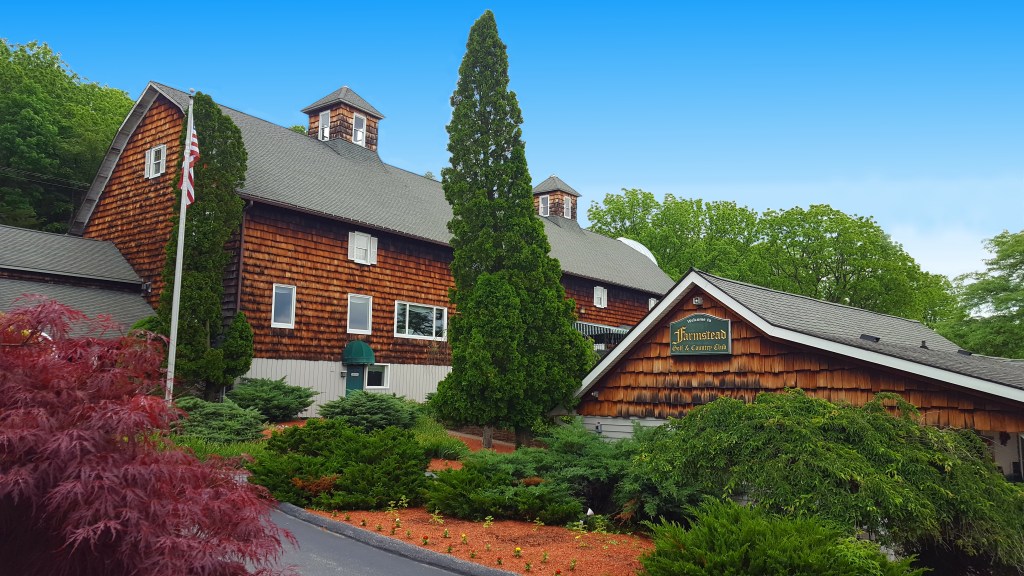
The Farmstead clubhouse (foreground, right) and restaurant (background)

Set in the quiet Sussex County town of Lafayette, Farmstead Golf and Country Club is a set of three nines: Clubview, Valleyview, and Lakeview. Having only booked 18 holes, my friend Ed and I were hoping to be able to play nine afterwards to complete the 27, so as not to have to make the long trek back to the northwestern corner of the state.

After speaking to the starter, he let us know that the Valleyview nine was extremely wet after days of rain, and he wasn’t sure if we’d be able to get out there. I let him know about my journey to play all the public courses in NJ, and he said he would see what he could do. He sent us out on Clubview and told us to check back in to see which nine would follow.

Clubview (86)

The Clubview nine sprawls away from and returns to the clubhouse in an L-shape. Apart from the first few holes along the perimeter of the course property, it is generally open and provides some room to miss. Water will feature prominently on the par-5 fifth and the par-3 ninth holes, as well as the approach into the sixth.

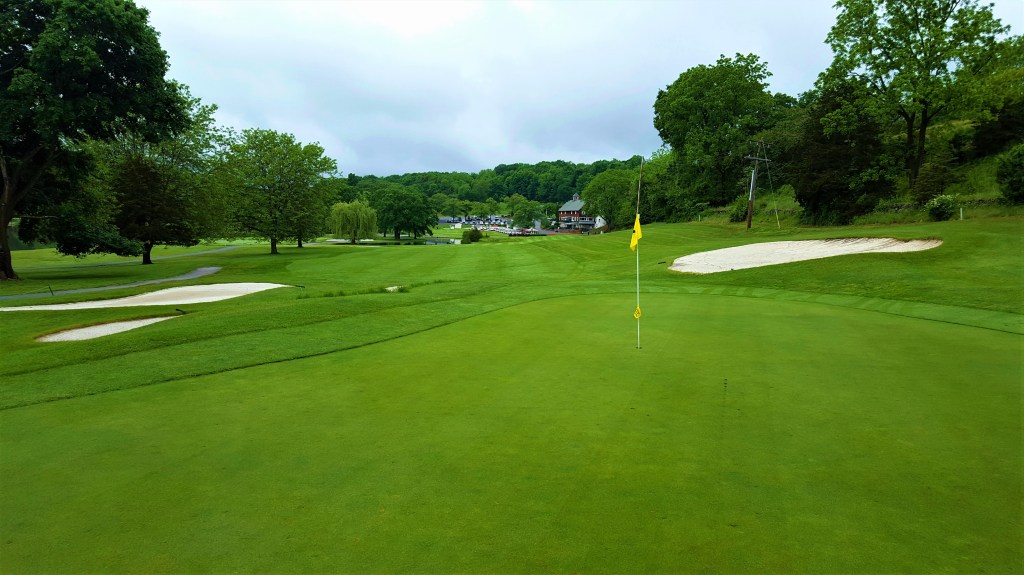
Clubview 1

Valleyview (87)

Returning to the starter after nine holes on Clubview, he let us go out on Valleyview. These nine holes have a much tighter setup than Clubview, and you work your way back up into some elevation to the first tee which also gives it a mountain golf feel. With the exception of turning back for the par-3 third and fifth holes, the routing essentially runs away from the clubhouse along one line and comes straight back, covering a relatively narrow footprint. It is also significantly shorter than the other two nines, playing at under 2,900 yards from the back tees.

The sixth hole is a fantastic downhill, dogleg left par-4. For longer hitters, it’s drivable for if you can match the shape of the hole and carry the water in front of the green. The par-5 seventh is also fun, playing at only 430 yards from the back tees, with your final approach playing to an elevated green.

I owe a debt of gratitude to Farmstead for letting us out to see this nine. The course was indeed very wet, so much so that there were areas on the fourth fairway that were like walking on a waterbed. Other than playing our shots, we were extra cautious to not disturb any of the course.

Valleyview 4

Lakeview (88)

If I remember correctly, there was a slight chance of rain in the forecast, but thankfully it hadn’t rained a drop all morning. We would finish the last of the nines in dry weather as well. While named for the lake that it’s set along, I’d argue that water is really only a factor on holes two, four, and nine, which is a fantastic par-3 set on an isthmus that runs through the lake. On nine, there is a vast difference between the back tees playing at 201 yards and the one-ups at 124, but it’s intimidating from any tee box with water on both sides the whole way.

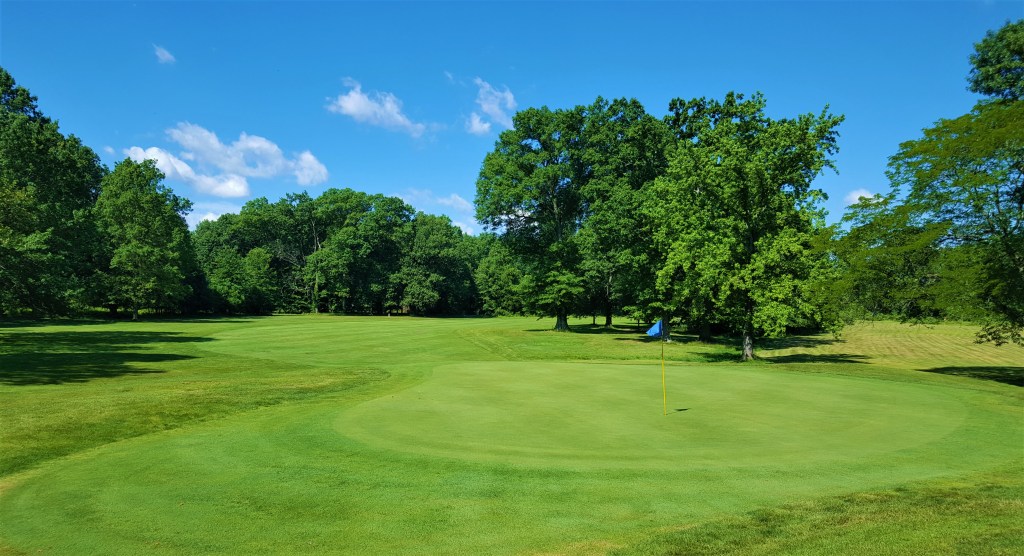
Lakeview 9

Overall, I found the courses at Farmstead to be charming, something I think was encapsulated perfectly in the old farmhouse that has been converted to the course’s restaurant. For first-timers set to play 18 holes, I highly recommend trying to arrange that Valleyview be one of the nines if possible. It will provide the best variety on the day when compared to Clubview or Lakeview, which play somewhat similarly.

Of course, you could just commit to trying to play all 27 on the day!

Numbers 86, 87, and 88 (Farmstead Golf and Country Club – Clubview, Valleyview, and Lakeview)

Number 85 (Pennsauken Country Club)

Date played: 3/30/2019

After finishing my round at Golden Pheasant in Burlington County, I made my way 15 miles due west to play my first Camden County course: Pennsauken Country Club.

With its nines straddling Haddonfield Road in a V-shape, Pennsauken CC is short par 70, playing at 6,250 yards from the back tees. The first three holes play east of the road while the remainder of the front nine is played across the street.

Overall, it was a great day out and I had good company for the round with some locals who were able to help me sort out some holes.

Here are a few of the memorable holes from the course:

  • The 4th is a long par 4 with a blind tee shot playing uphill.
  • The 14th hole is an excellent par 5 which forces three shots for a majority of golfers. Your final approach needs to cover a creek to an elevated green with a false front on the left side.
The approach into 14
  • 17 is a fun driveable par 4
  • The closing hole is a long par 4 playing from left to right around a pond. The approach plays slightly uphill to a green that is sloped severely from back to front.
Number 85 (Pennsauken Country Club)