Date played: 9/22/2020
Do you remember the scene in Forrest Gump where he was running across the country? Red shorts. Sweaty, yellowed shirt. Scraggly beard hanging below hyper-focused eyes. He said he just felt like running. He didn’t explain his purpose. Viewers simply witnessed his inexplicable need to continue running – compelling him and leading him through his journey.
And in some ways, I understand that unrelenting urge to accomplish something. To triumph.
My golf journey hasn’t been as eventful. Nor has it been Oscar-worthy. And there is no way my wife would let that beard happen. But it’s my journey, nonetheless. Call it a bit of wanderlust – an attainable adventure across the Garden State.
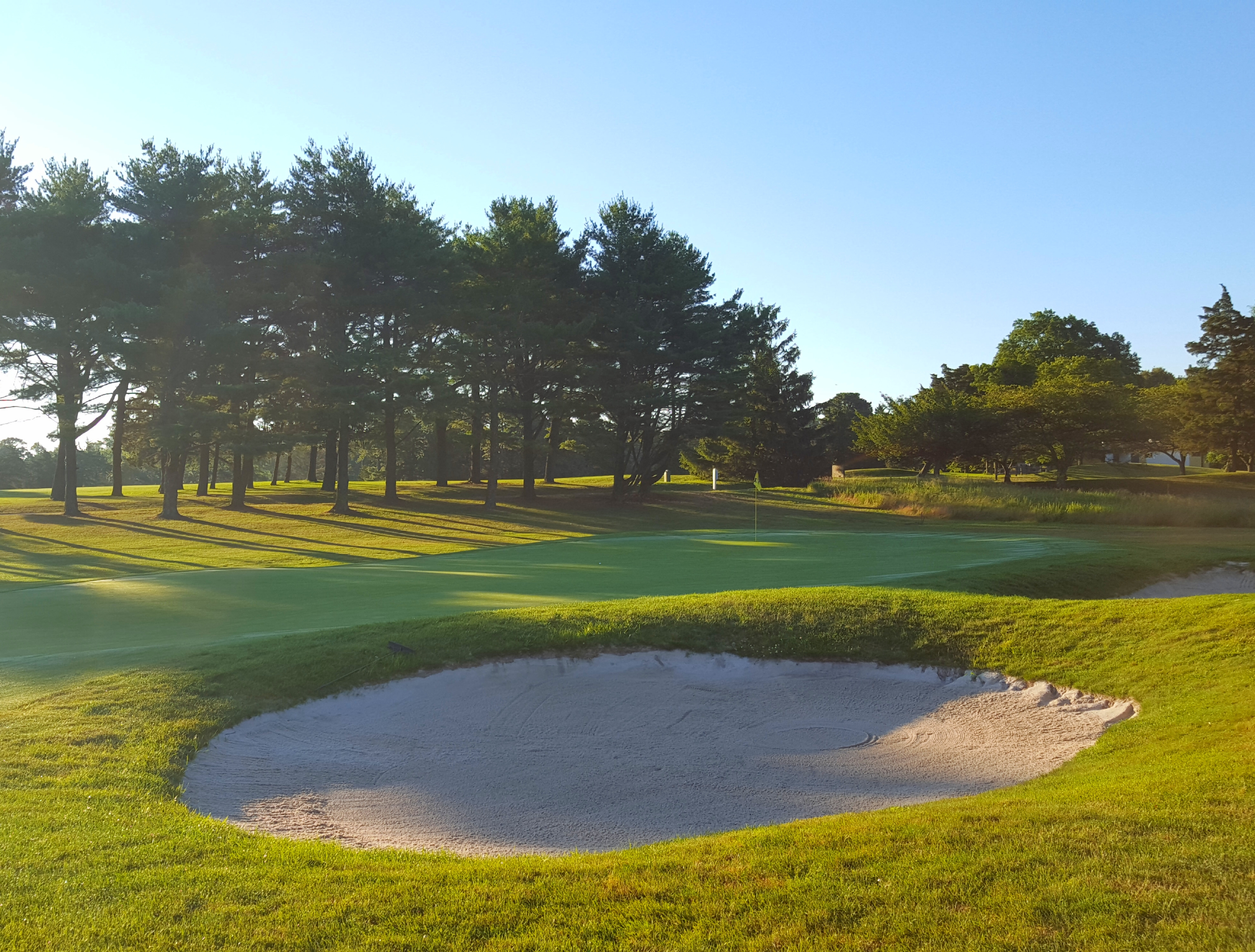
I don’t always have something new to say. The grass is green. The ball is white. And the sky is almost always blue. But it’s the little things that keep me going. I meet fellow golfers, play interesting courses, or just experience New Jersey locales that I likely may have never visited otherwise.

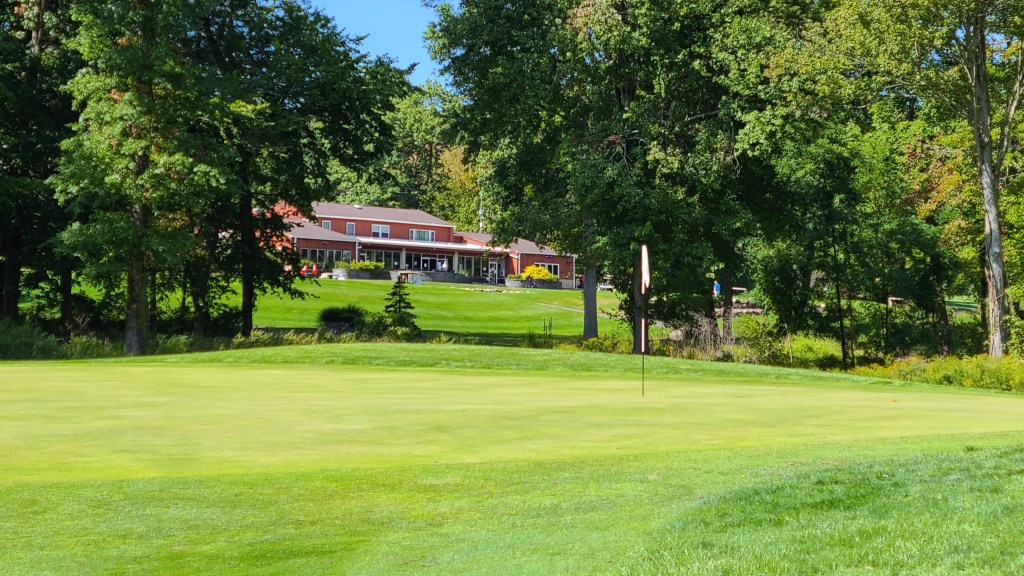
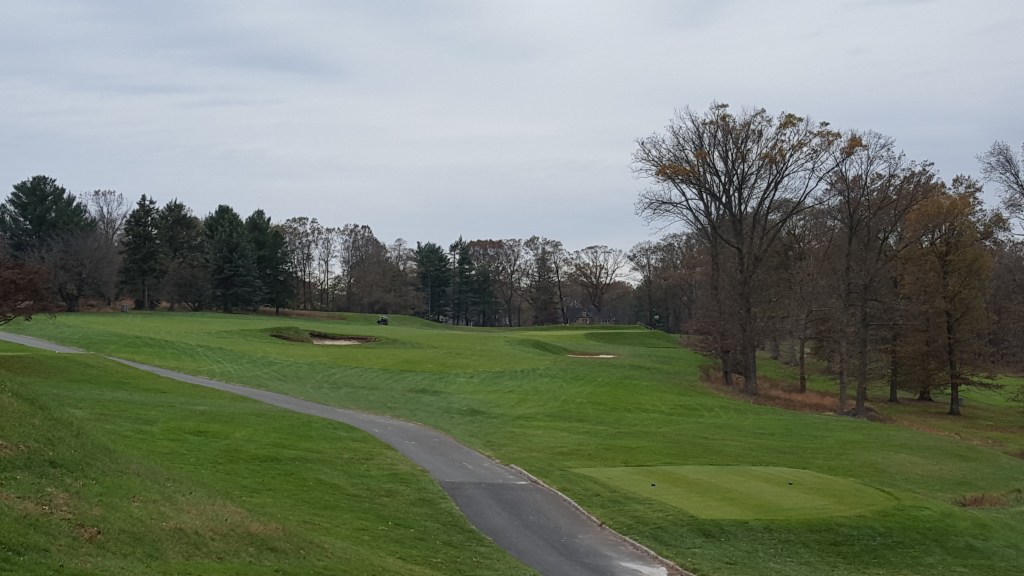
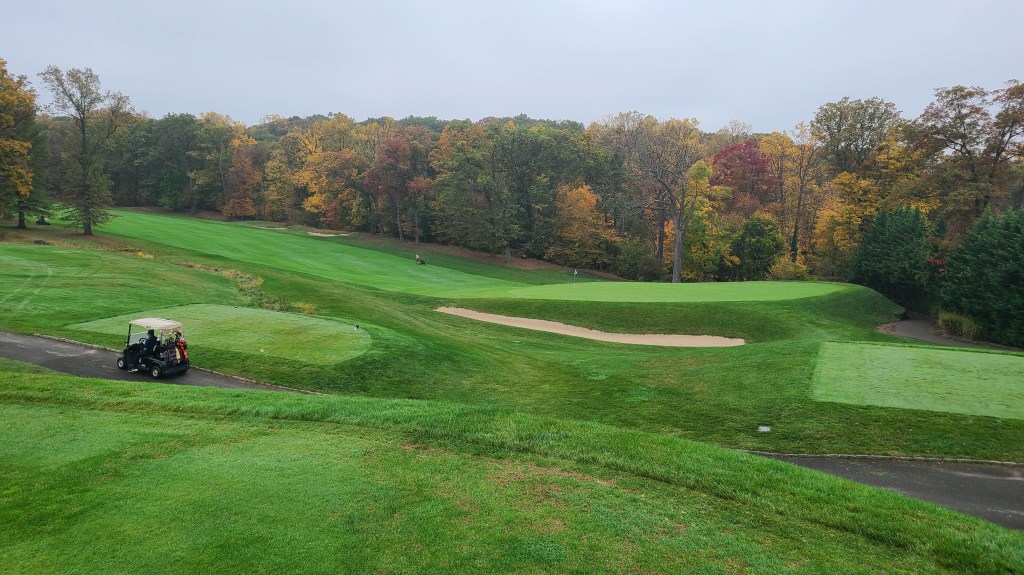
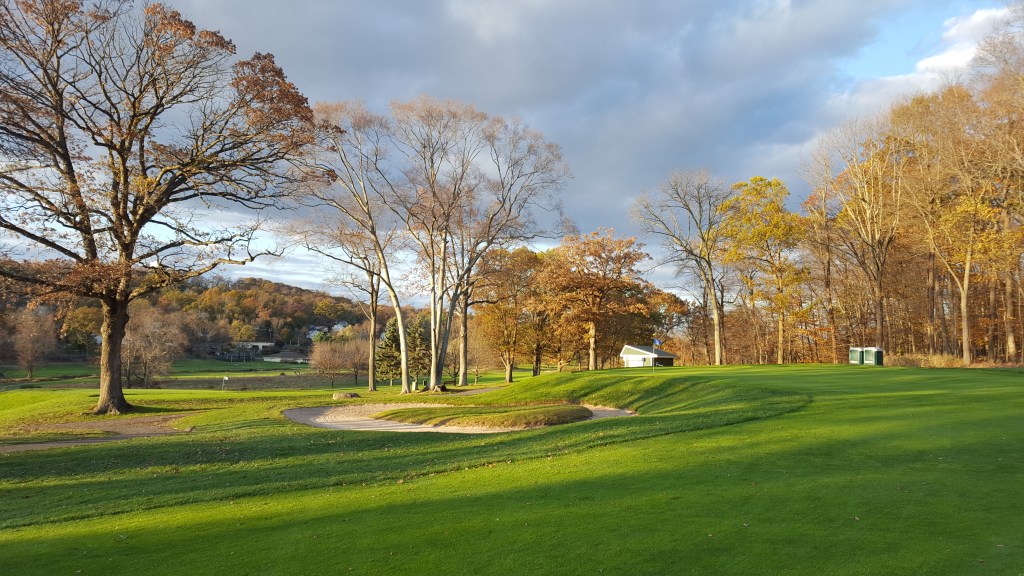
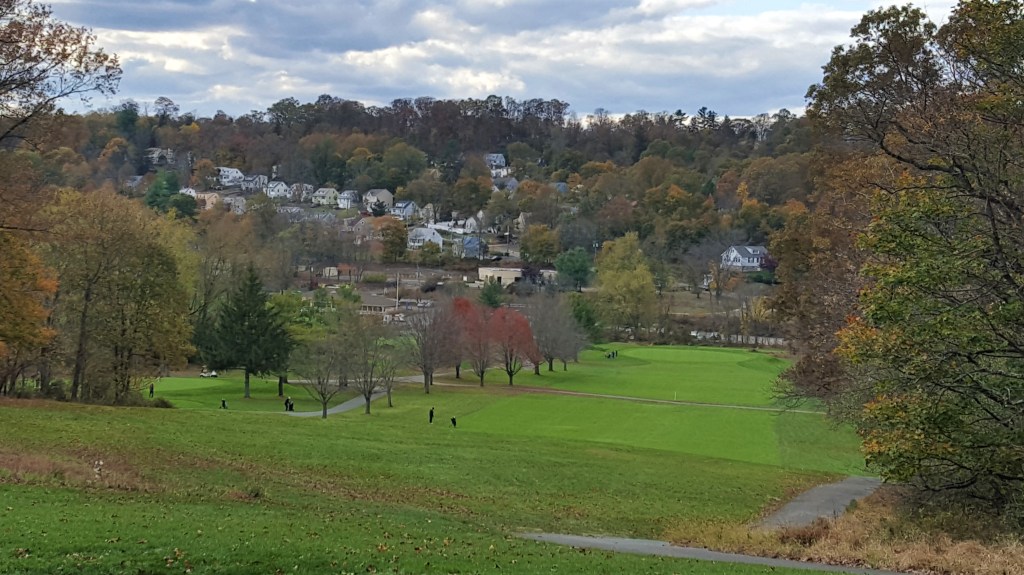
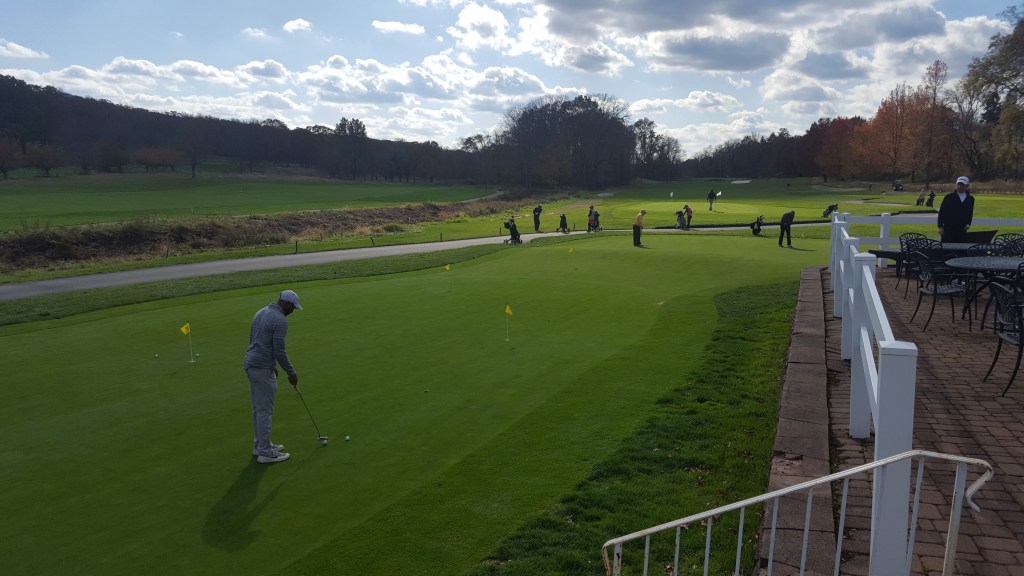
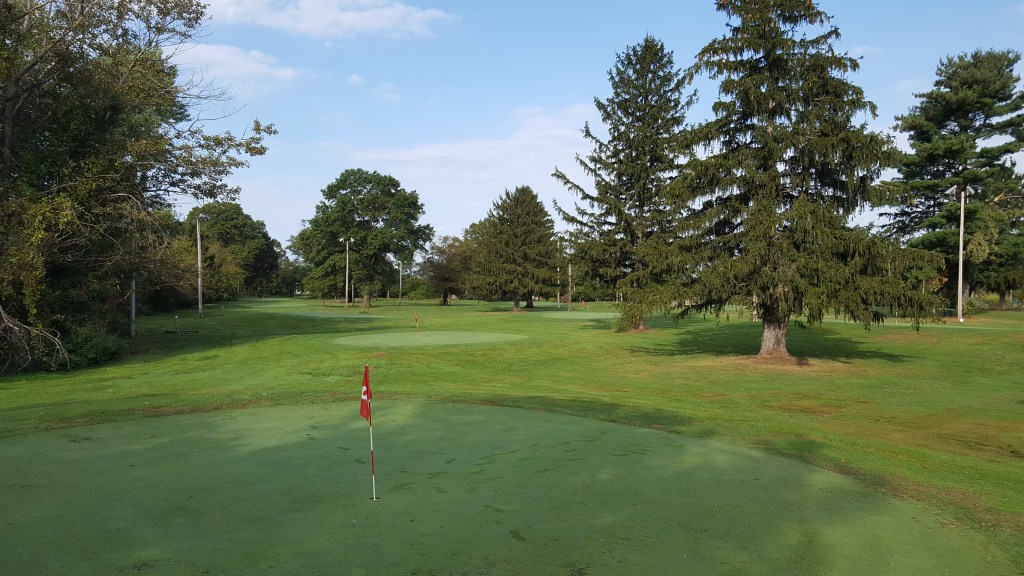
Having finished at Darlington early enough in the afternoon, Brian and I decided to see if Hendricks Field still had available tee times. We hopped in our cars, made the 40-minute drive south to Belleville, picked up lunch along the way and got to Hendricks. Thankfully, after a short wait, we were able to walk on.
Brian and I have played a few times together since connecting over Twitter. Over the past couple of years, I’ve gained several new, regular golf partners. I’ve also met interesting characters, like Kermit, who unknowingly started me on this quest after telling me he was already on it. At Hendricks, we were joined by a single, whose name I unfortunately can’t remember. Some new friends stay, while others are fleeting and sometimes fascinating details in my story.
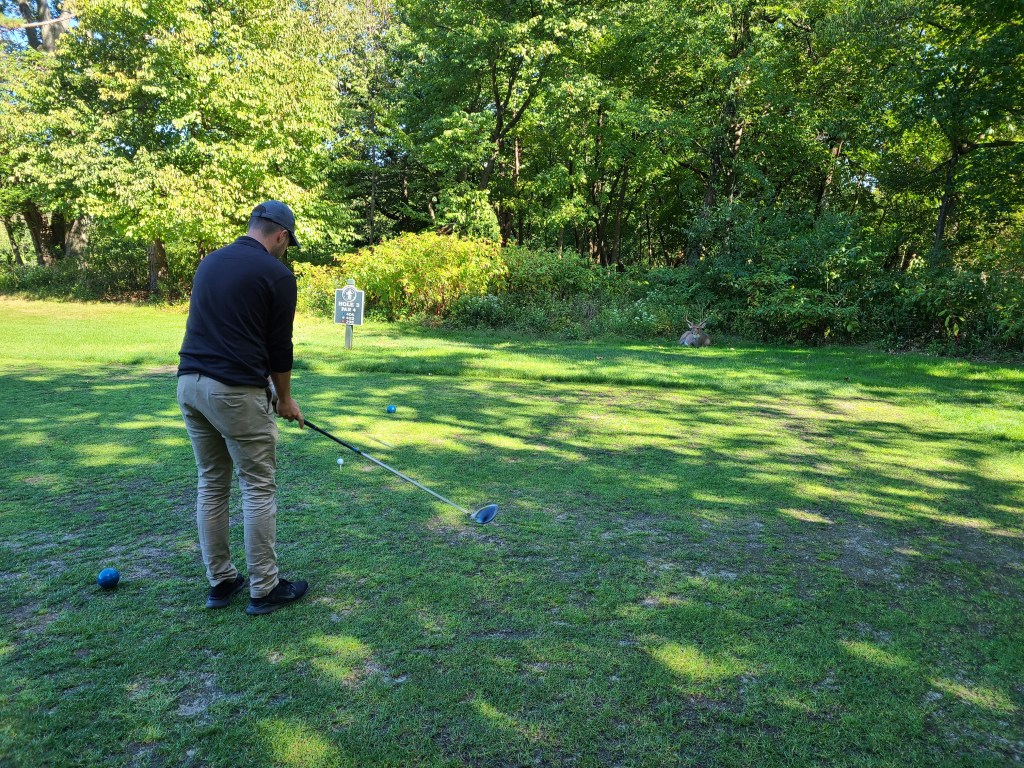
The courses are all a little different, but it’s nuances of each outing that stick with me the most. Whether it’s the people I play with, the shots I hit (or didn’t), or the intriguing details about the golf in my home state.
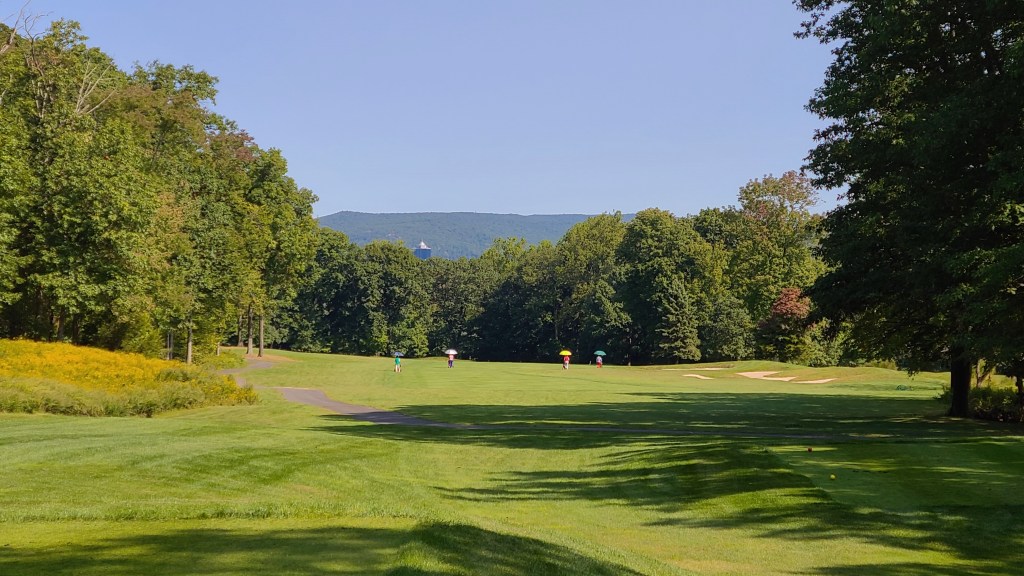
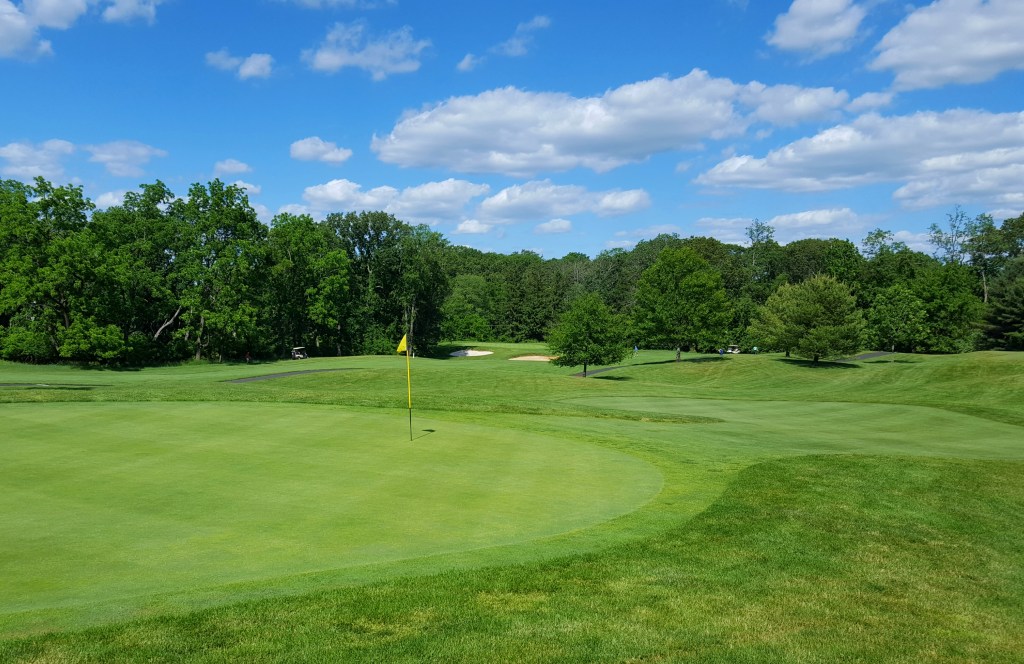
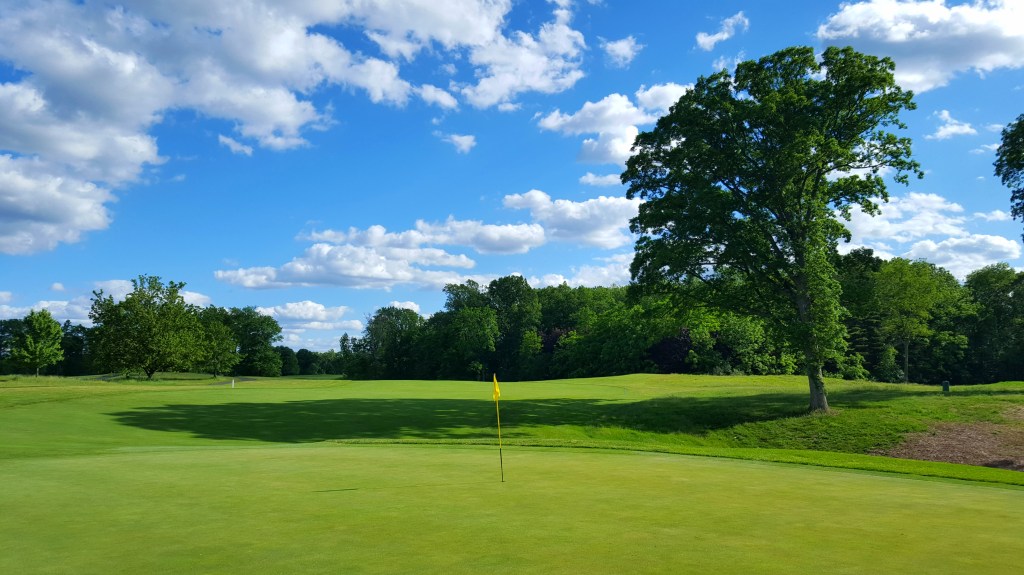
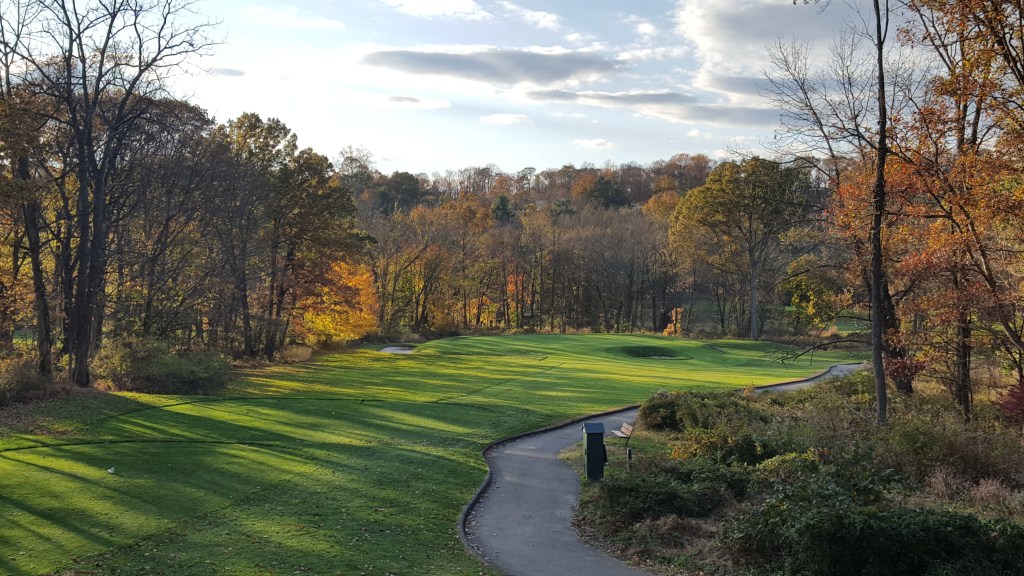
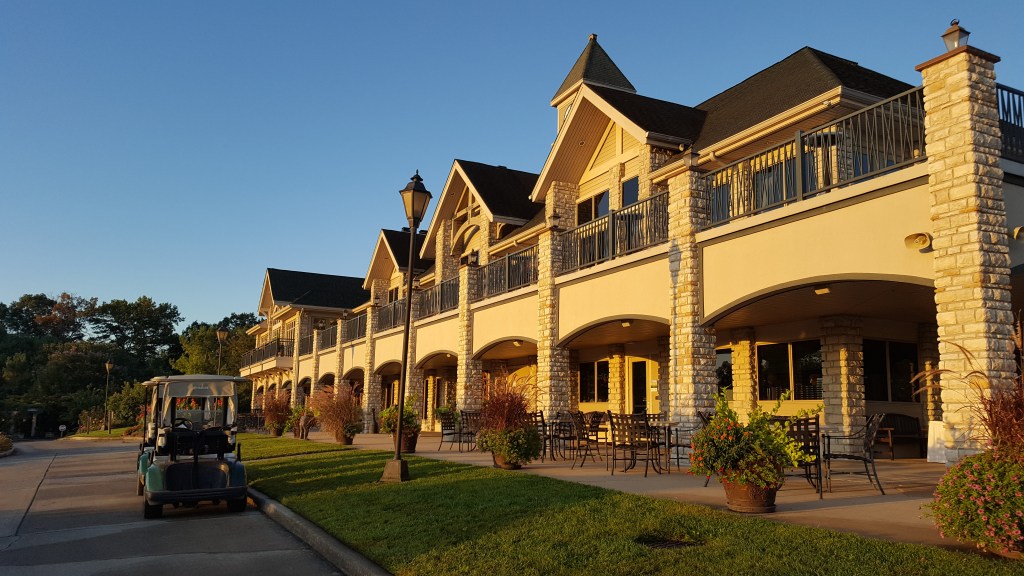
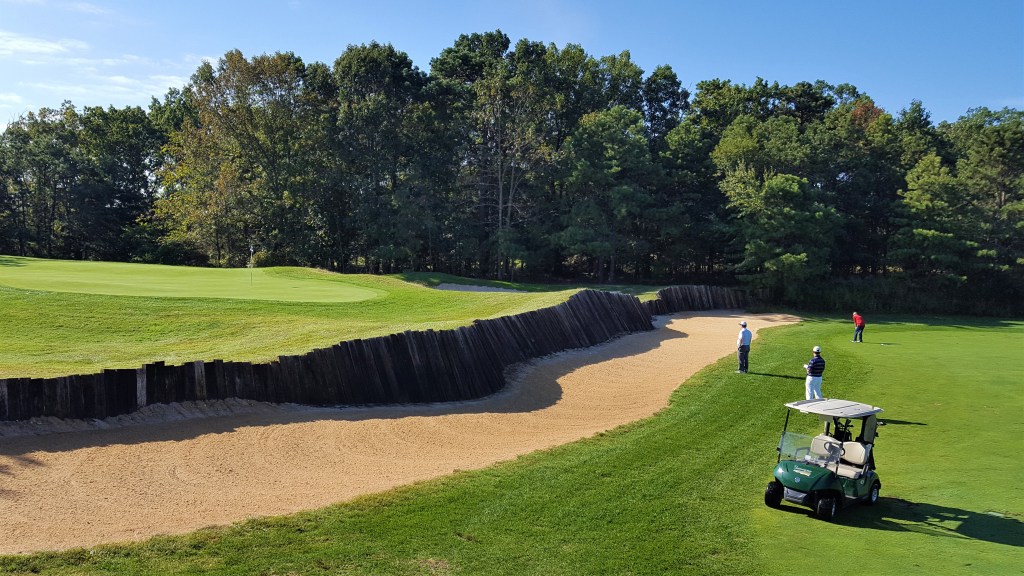
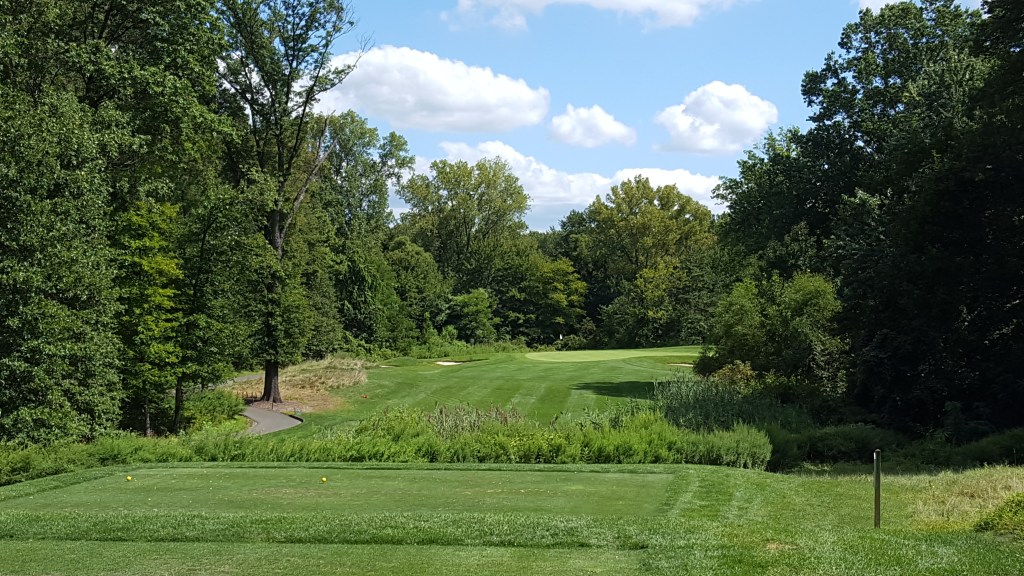
For example, did you know Hendricks Field was originally designed by Charles Banks, one of the prominent architects from America’s “Golden Age” of golf course design? Shortly after we played there, Hendricks underwent a renovation which honored Banks’s legacy of thoughtfully crafted holes, while also incorporating new features to support environmental sustainability (i.e. grass that requires less water and pesticides).
At the time of writing, I am about 75% of the way through my journey. As I close it out, I will see more green, white, and blue along the way. I look forward to what I might learn and who I’ll meet on the next course, each detail adding a little more color to my journey. Subtle moments shading and painting a picture of the New Jersey landscape.
Located in Belleville, Hendricks was the last course I needed to play to complete the Essex County publics. As I move on to courses in other counties with my own hyper-focused eyes and Gump-like determination, I am grateful for the opportunity to do something I love and tell the world about it.




 Orson Rosas Golf